Gutter & roof cleaning · Raleigh and the Triangle

Clear the drainage path. Treat the roof with restraint.

Absolutely Clean combines gutter debris removal with a roof-cleaning approach selected for the roofing material, visible growth, and property conditions.

  • Owner-led local service
  • PWNA certified
  • Fully insured
Residential roofline and exterior from the Absolutely Clean project gallery
Roof and gutter work begins with the material, access, drainage, and visible condition.

When to call

Look up before small warning signs become bigger questions.

Debris, poor drainage, and organic roof growth do not have one universal fix. A useful assessment separates cleaning needs from repair needs.

01

Debris and restricted flow

Leaves, needles, and sediment can collect in gutters and downspouts, sending rainwater where it was not intended to go.

02

Black streaks and organic growth

Shade and humidity can support algae, moss, or lichen on roofing. The roof material and manufacturer guidance determine the cleaning method.

03

Access and fall hazards

Rooflines, ladders, uneven ground, and wet surfaces make gutter and roof work a safety-sensitive job.

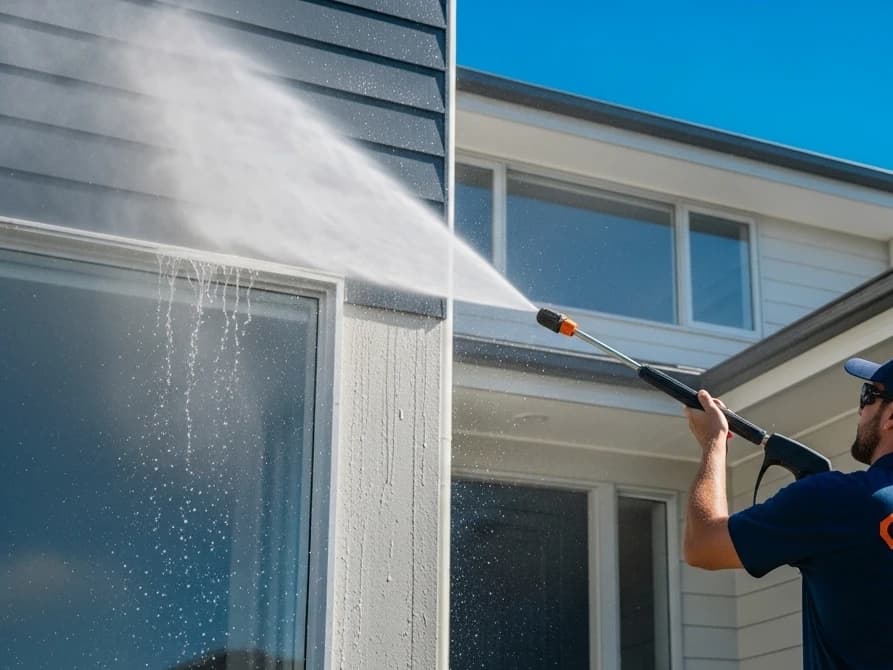
An Absolutely Clean team member working below a residential roofline and gutter
Exterior work planned around the roofline, gutters, siding, and landscaping.

Our approach

Two systems, evaluated together.

Roof surfaces and rainwater drainage affect one another, but they require different work. The team evaluates accessible roof conditions, gutter debris, downspout flow, landscaping, and safe access before confirming the scope.

  • Use low-pressure roof treatment where appropriate for the material.
  • Remove accessible gutter debris and check downspout flow within the quoted scope.
  • Protect and rinse nearby surfaces and landscaping as conditions require.
  • Flag visible repair concerns separately from cleaning work.

A cleaning assessment cannot replace a roof inspection by a qualified roofer. Active leaks, loose materials, structural concerns, and repairs should be handled by the appropriate trade.

What to expect

Assess, clear, treat, and verify.

The order may change with access and scope, but each stage is planned around safety and the property’s drainage path.

  1. 01

    Review the roofline

    Identify the roof material, visible growth, gutter condition, access points, and surrounding surfaces.

    Property assessment

  2. 02

    Prepare the area

    Plan safe access and protect nearby landscaping, fixtures, siding, and runoff areas as appropriate.

    Before cleaning

  3. 03

    Complete the agreed work

    Clear gutter debris and apply a material-appropriate, low-pressure roof treatment where included.

    Service stage

  4. 04

    Check and document

    Verify accessible drainage paths, finish cleanup, and discuss visible conditions that may need follow-up.

    Final review

Service scope

Choose the work the property actually needs.

Roof treatment and gutter clearing can be estimated separately or together. The written scope confirms the included surfaces and access.

Gutter clearing

Debris removal and accessible downspout checks for the gutter system included in the estimate.

  • Interior debris removal
  • Accessible downspout flow check
  • Ground cleanup from the service

Roof treatment

A low-pressure cleaning plan based on roof material, age, visible growth, and manufacturer guidance.

  • Material review
  • Organic growth treatment
  • Property and plant precautions

Condition-based maintenance

A practical follow-up recommendation based on tree cover, drainage, shade, and observed accumulation.

  • No universal schedule
  • Scope reconfirmed before service
  • Repair needs identified separately

From the project gallery

Exterior work is connected from roofline to ground.

The project gallery shows the homes and surrounding surfaces the team works around during exterior service.

Whole-home exterior and roofline from the Absolutely Clean gallery
Roof and gutter work is planned alongside the rest of the home exterior.
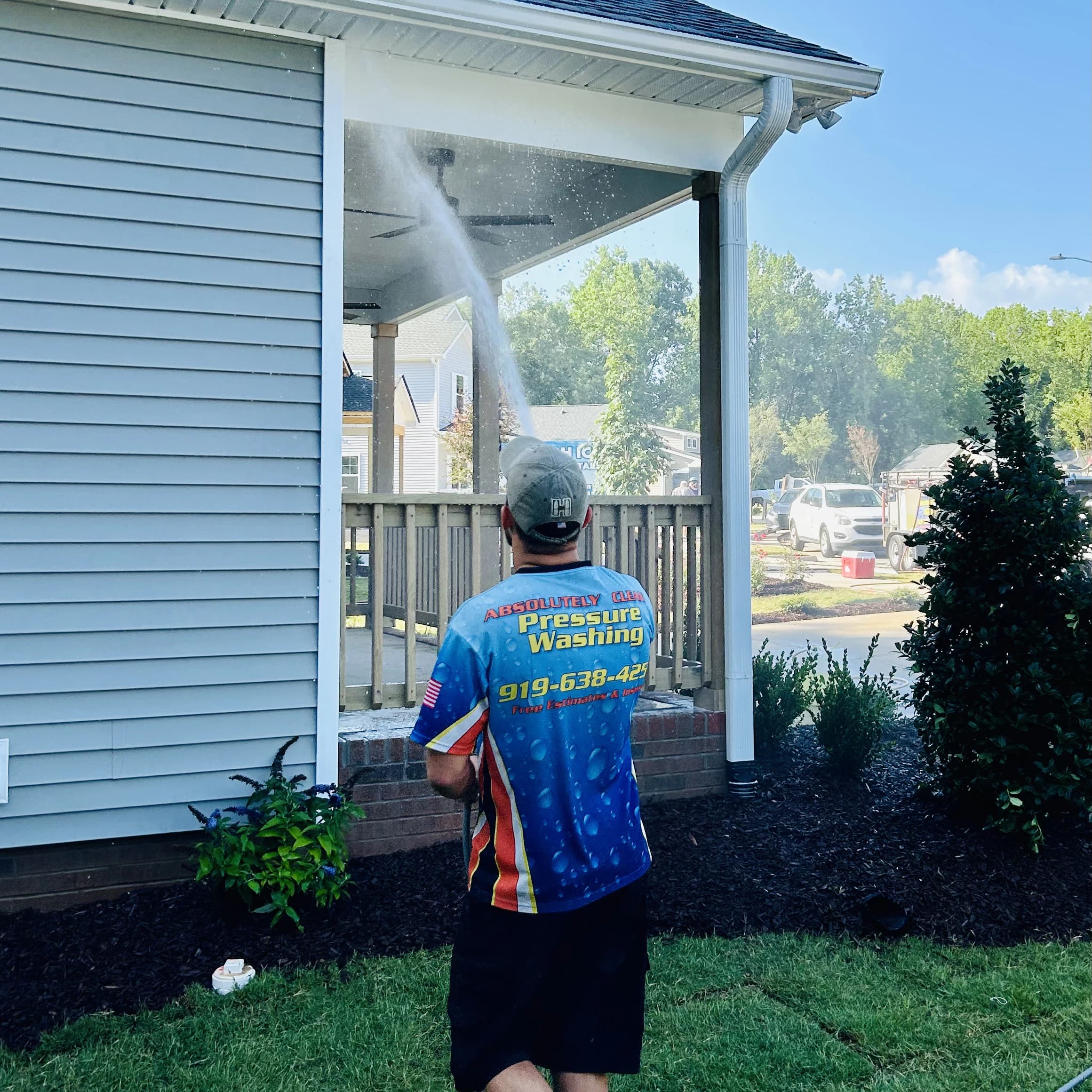
Absolutely Clean team member washing below a residential roofline
The team works around gutters, downspouts, siding, fixtures, and landscaping.

Straight answers

Questions about this service.

How often should my roof be cleaned?

There is no single interval for every roof. Material, age, shade, nearby trees, drainage, and the type of visible growth all matter. We can assess the roof from accessible vantage points and recommend an appropriate next step.

Is soft washing safe for my roof?

Many asphalt-shingle roofs call for low-pressure treatment rather than pressure washing. The exact method should follow the roofing material and manufacturer guidance. We assess those factors before recommending service.

Will cleaning remove black streaks?

Low-pressure roof treatment can improve common organic black streaks and other visible growth. Results depend on the roof material, staining, age, and condition, which we review before setting expectations.

How often should gutters be cleaned?

The useful interval depends on nearby trees, roof shape, gutter guards, drainage, and how quickly debris accumulates. Properties under heavy tree cover may need attention more often than open sites. We recommend monitoring flow and visible buildup rather than relying on one schedule for every home.

What if you see a damaged roof or gutter?

Cleaning is not a substitute for roofing or gutter repair. If we notice a visible concern from the work area, we can flag it so you can decide whether a qualified repair professional should inspect it.

Start with an estimate

Start with the roofline and drainage path.

Describe the visible growth, debris, or drainage concern and the team will help define the appropriate cleaning scope.